


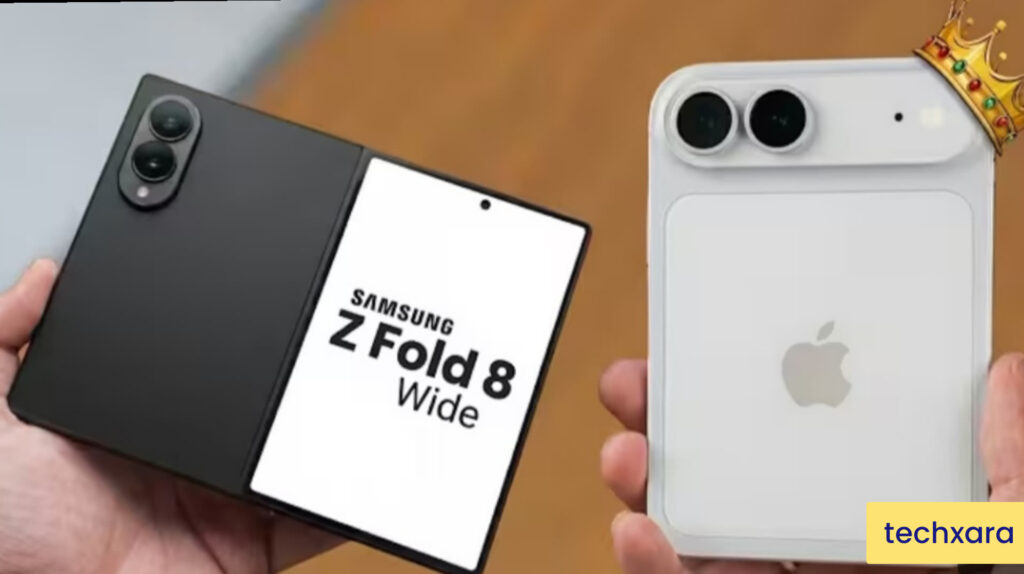
Samsung appears ready to take another major step in foldable smartphone development with the Z Fold 8 Galaxy Wide. According to recent reports, the company is focusing on one of the biggest challenges facing foldable devices today: the visible screen crease.
The upcoming model is rumored to feature a new ultra-thin glass layer that is significantly thicker than previous generations, potentially delivering a smoother display and a more premium user experience.
Samsung’s New Approach to Crease Reduction
For years, the crease running through the center of foldable displays has been one of the most noticeable compromises of the technology.
The Galaxy Z Fold 8 Wide is reportedly designed to reduce that issue by using a 60-micrometer ultra-thin glass layer that is around 30% thicker than the glass used in earlier models. The goal is to create a flatter display surface that feels more natural during everyday use.
A less visible crease could improve everything from reading and browsing to gaming and video streaming, helping foldable phones feel closer to traditional smartphones and tablets.
How Thicker Glass Could Improve the Foldable Experience


The benefits of the upgraded display go beyond appearance.
A smoother screen can create a more immersive viewing experience while making touch interactions feel more consistent. Users may notice fewer visual distractions when scrolling through content or working across multiple applications.
For consumers considering their first foldable device, this improvement could make the technology more appealing by addressing one of its most frequently discussed drawbacks.
The Engineering Challenges Behind the Upgrade
While a thicker glass layer may reduce the crease, it also introduces new engineering challenges.
Foldable displays must remain flexible enough to withstand thousands of opening and closing cycles. Increasing glass thickness can improve rigidity, but it may also place additional stress on the display structure over time.
Samsung will need to carefully balance durability and flexibility to ensure the device remains reliable in daily use. This challenge highlights the complexity of foldable smartphone design, where even small hardware changes can have significant long-term effects.
A Testing Ground for Future Foldable Devices
The Galaxy Z Fold 8 Wide could serve as an important platform for future foldable innovations.
By introducing a redesigned display structure, Samsung may gain valuable real-world data on how users interact with the technology. Lessons learned from the device could influence future products, including upcoming Fold and Flip series models.
This approach allows Samsung to refine its foldable technology gradually while continuing to improve durability and user satisfaction.
Competition Is Pushing Foldable Innovation Forward
Samsung remains one of the biggest names in foldable smartphones, but competition continues to grow.
Companies such as Oppo and Honor have introduced foldable devices focused on reducing crease visibility and improving hinge technology. As manufacturers compete to solve the same challenges, consumers benefit from faster innovation and better overall products.
The Galaxy Z Fold 8 Wide represents Samsung’s latest effort to stay ahead in a market where display quality and durability have become major selling points.
ALSO READ;
Samsung Galaxy Z Flip 8 Could Bring Major Upgrades With a Catch
Samsung Galaxy Z Fold 8 Wide Could Be the Foldable Upgrade Users Want
The Samsung Galaxy Z Fold 8 Wide is shaping up to be more than just another foldable smartphone. Its rumored thicker ultra-thin glass could significantly reduce crease visibility, creating a more refined and immersive display experience.
Although challenges remain in balancing flexibility and durability, Samsung’s latest approach highlights its continued commitment to advancing foldable technology. If these improvements perform as expected, the Galaxy Z Fold 8 Wide could become one of the most important foldable releases in recent years.
FAQ Section
What is the main upgrade in the Galaxy Z Fold 8 Wide?
The biggest rumored upgrade is a thicker ultra-thin glass layer designed to reduce the visible display crease.
How much thicker is the new display glass?
Reports suggest the glass could be approximately 30% thicker than the material used in previous Fold models.
Will a thicker display improve durability?
It may improve rigidity and reduce crease visibility, although Samsung must balance durability with long-term flexibility.
Why is crease reduction important?
A smaller crease creates a smoother viewing experience and makes foldable displays feel more natural to use.