


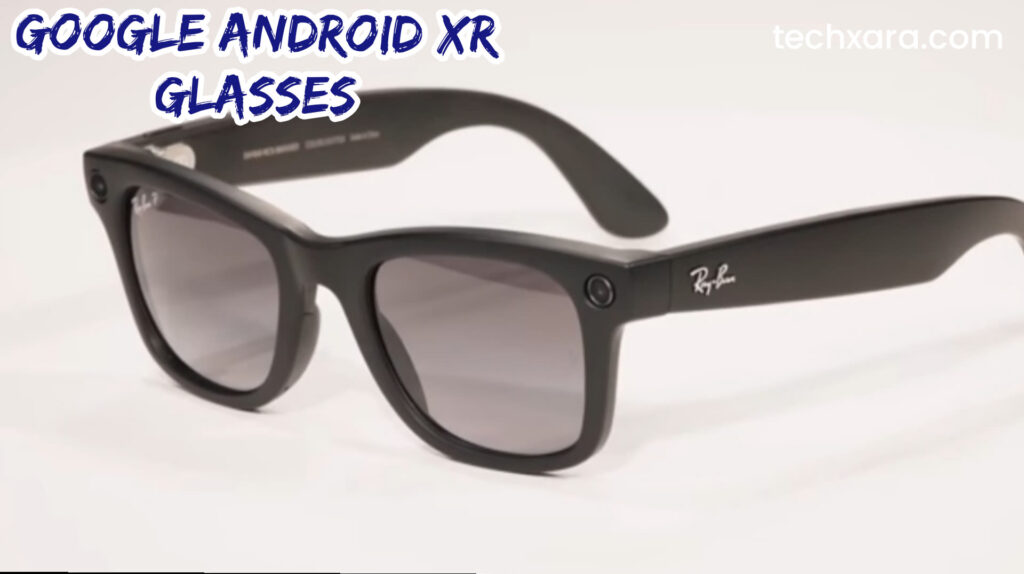
Google is pushing further into wearable technology with its Android XR Glasses, a lightweight augmented reality device designed to combine AI assistance with everyday convenience. Recent demonstrations highlight features such as Gemini AI integration, live text translation, and AR navigation, giving users quick access to information without reaching for a smartphone.
The smart glasses are also the result of partnerships with eyewear brands Warby Parker and Gentle Monster, aiming to blend advanced technology with modern fashion.
Although many details have been showcased, some features and hardware could still evolve before the product reaches consumers.
Lightweight Design Built for Daily Wear
One of the biggest highlights of the Android XR Glasses is their lightweight construction.
At approximately 49 grams, the glasses are designed to remain comfortable during extended use while maintaining a sleek appearance suitable for work, travel, or everyday activities.
Google has opted for a single-lens display positioned over the right eye. This keeps the frame compact but may not provide the same viewing experience as dual-lens smart glasses, especially for left-eye-dominant users.
An audio-only version is also expected for users who prefer voice features without an AR display.
Sony Micro OLED Display Powers the Experience
The wearable uses a Sony micro OLED display to project digital information directly into the user’s field of view.
While the viewing area is relatively compact, it delivers colorful visuals for navigation, notifications, translations, and other AI-powered experiences.
The minimalist display also helps preserve battery life while keeping the glasses lightweight.
Gemini AI Takes Center Stage
Google’s Gemini AI is expected to become the main intelligence behind Android XR.
The AI assistant can reportedly understand voice commands, analyze surroundings, and provide useful information in real time.
Rumored capabilities include:
- Live text translation
- AI-powered navigation
- Context-aware assistance
- Voice interactions
- Object recognition
- Quick access to Google services
These features are designed to reduce the need to constantly check a smartphone during daily activities.
Navigation and Live Translation
Navigation is one of the most impressive features demonstrated so far.
Using Google Maps, the glasses display turn-by-turn directions directly within the user’s view, making walking or cycling through unfamiliar locations easier.
Another standout feature is real-time text translation. Gemini AI can reportedly recognize foreign-language signs, menus, or documents and instantly translate them on the display.
For travelers, this could remove many language barriers without requiring a phone.
Built-In Camera and Hands-Free Controls
The Android XR Glasses also include hardware designed for everyday convenience.
Features reportedly include:
- Built-in camera for photos and videos
- Integrated microphones
- Open-ear speakers
- Voice commands
- Touch-sensitive controls
These allow users to interact naturally with the glasses while keeping their hands free.
Google Android XR Glasses Specifications
| Feature | Expected Details |
|---|---|
| Weight | 49 grams |
| Display | Sony Micro OLED |
| Lens Design | Single-lens display |
| AI Platform | Gemini AI |
| Operating System | Android XR |
| Navigation | Google Maps AR |
| Translation | Live text translation |
| Camera | Built-in |
| Audio | Integrated speakers and microphones |
| Controls | Voice and touch controls |
| Brand Partners | Warby Parker, Gentle Monster |
Android XR Could Grow Through Developers
Google is positioning Android XR as an open platform for developers.
As more apps become available, the ecosystem could expand beyond navigation and translation into productivity, gaming, education, and enterprise applications.
Future versions may also adopt dual-lens displays, offering a wider field of view and a more immersive augmented reality experience.
Who Are These Glasses For?
Google’s Android XR Glasses appear best suited for:
- Android smartphone users
- Frequent travelers
- Developers building XR applications
- Professionals who rely on hands-free navigation
- Early adopters interested in wearable AI technology
Users already invested in Google’s ecosystem may benefit the most from seamless integration with services like Google Maps, Gemini AI, and YouTube Music.
final thoughts:
Google’s Android XR Glasses showcase the company’s vision for AI-powered wearable technology. Featuring Gemini AI, live translation, Google Maps navigation, and a lightweight design, the device has the potential to simplify everyday tasks without relying heavily on a smartphone.
Although some hardware limitations remain, particularly the single-lens display, future versions could address these concerns as the Android XR ecosystem continues to mature.
ALSO READ;
XREAL Aura XR Glasses Launching in 2026 With Gemini AI and Advanced XR Features
Apple Smart Glasses Launch Reportedly Pushed Back to Late 2027